Bat Collision-Proof Wind Turbine
Maker Faire 2021 · Glenview, Illinois
what I did
I worked with a team on a two-week wind-turbine safety prototype for Maker Faire, exploring ultrasonic deterrents and control circuitry.
what I learned
I learned to check sensor range and mechanical stability early. Our prototype showed how far a concept can be from a working system.
My original project notebook19 images · 2 videos
My original notes, sketches, code, and reflections, in the order I documented them. Original write-up ↗
Select any image to see the full-size original.
Define the problem:
As alarmingly high numbers of bats are dying from wind turbines, a solution is needed to not only prevent the massive repercussions this would have on the environment, but also bats themselves. It is estimated that close to 900,000 bats die from wind turbine collisions in the US alone per year.
Develop a solution:
Curtailment
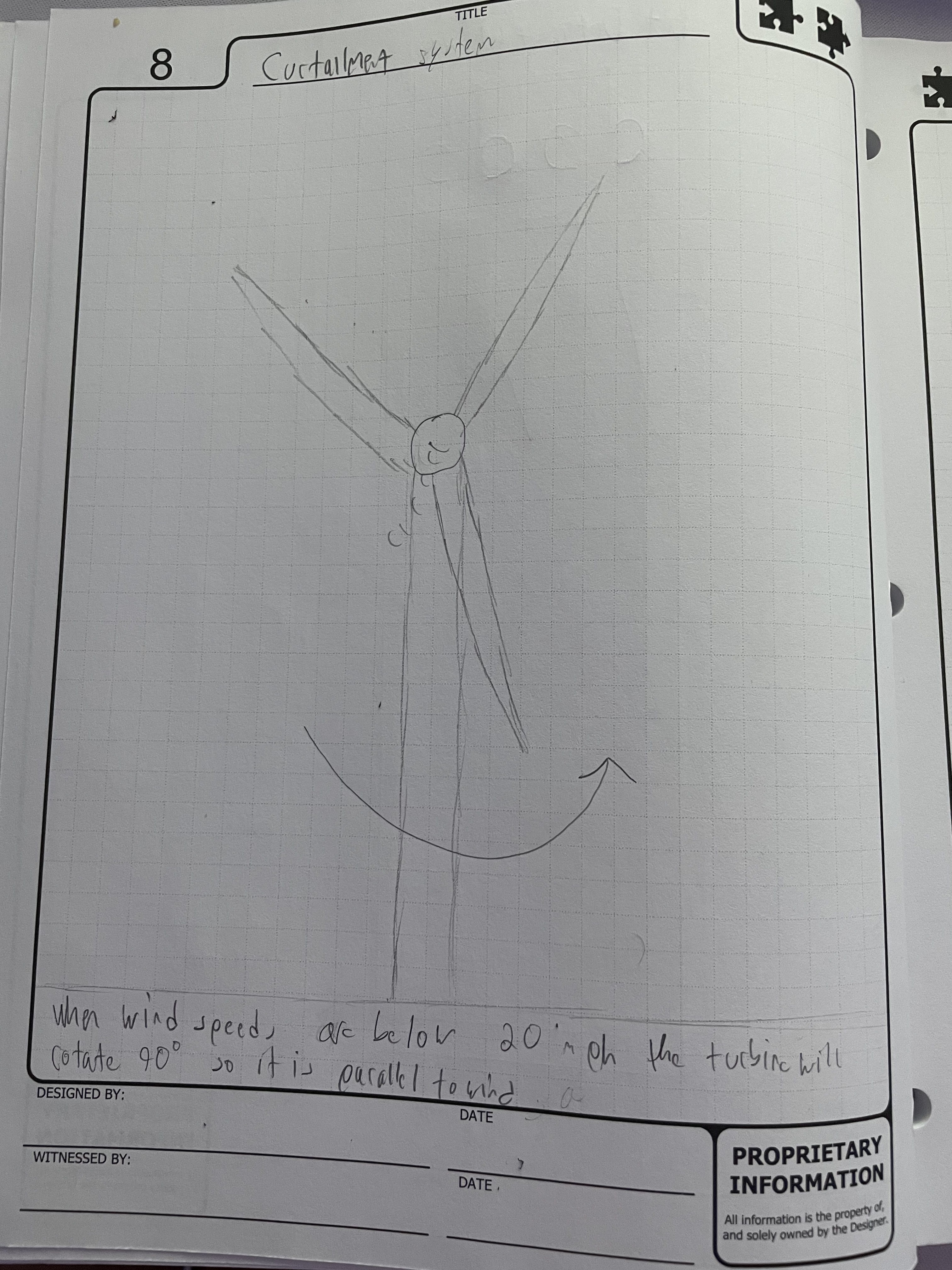
Ultrasonic Bat Deterrents
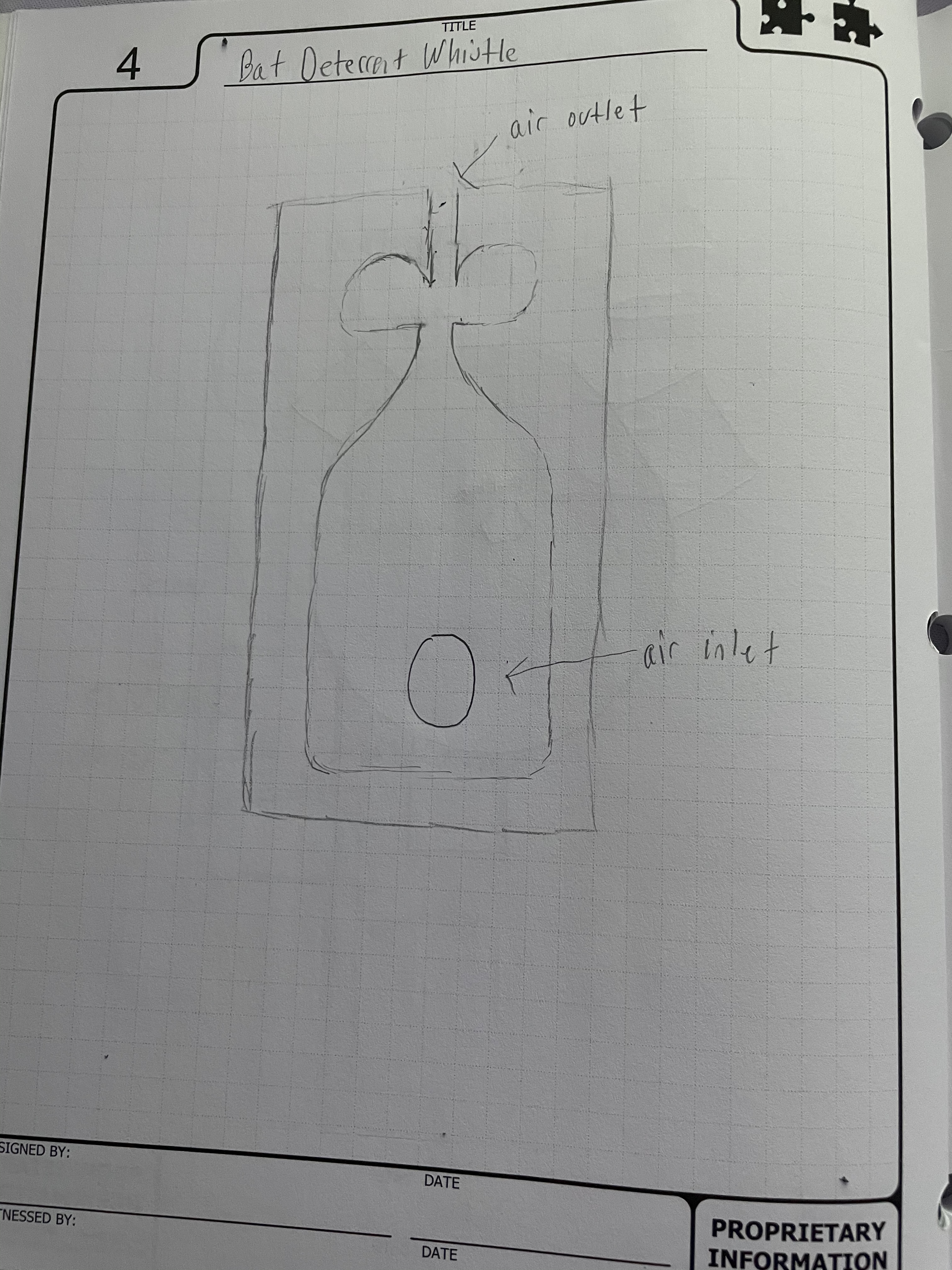
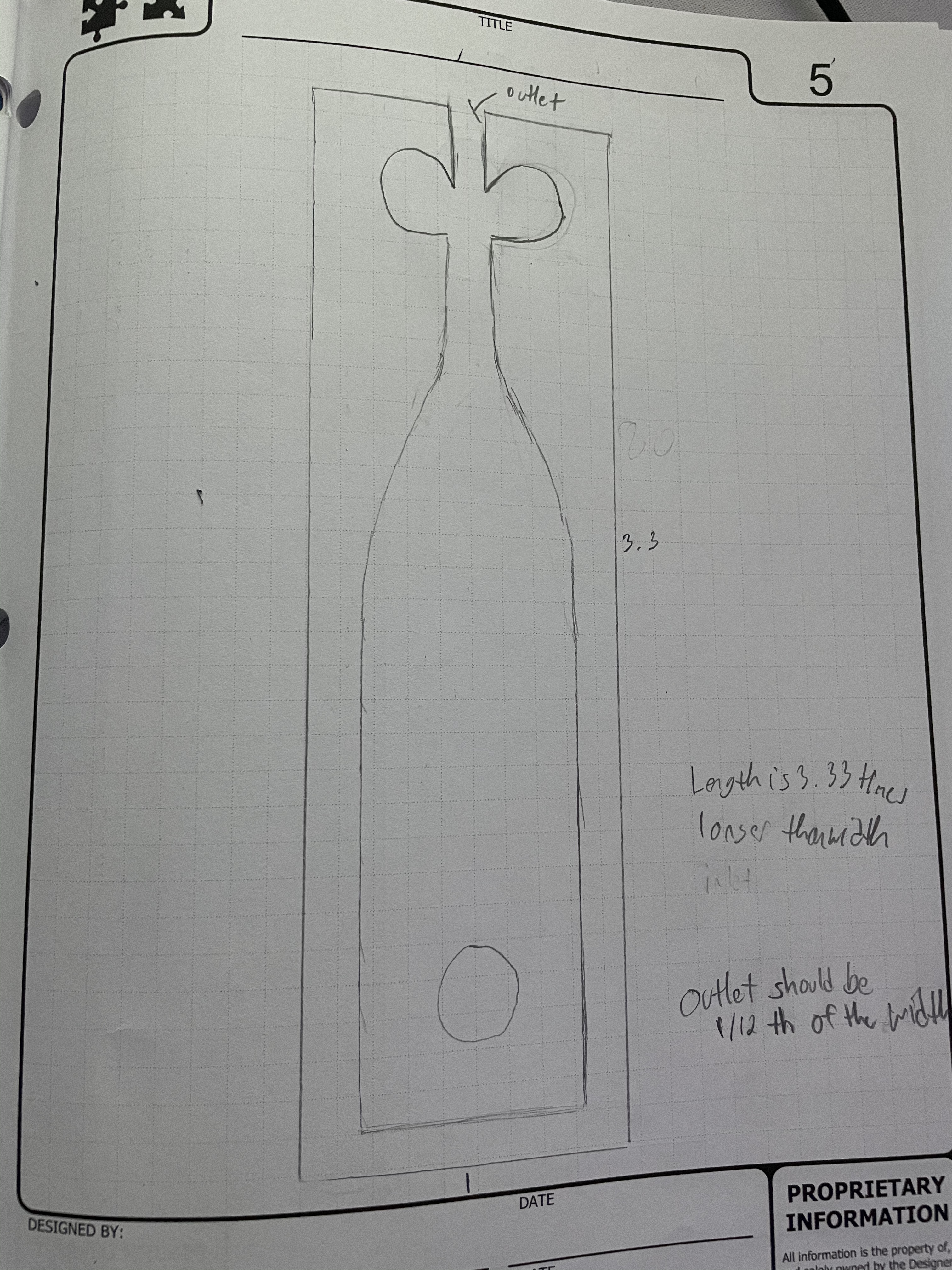
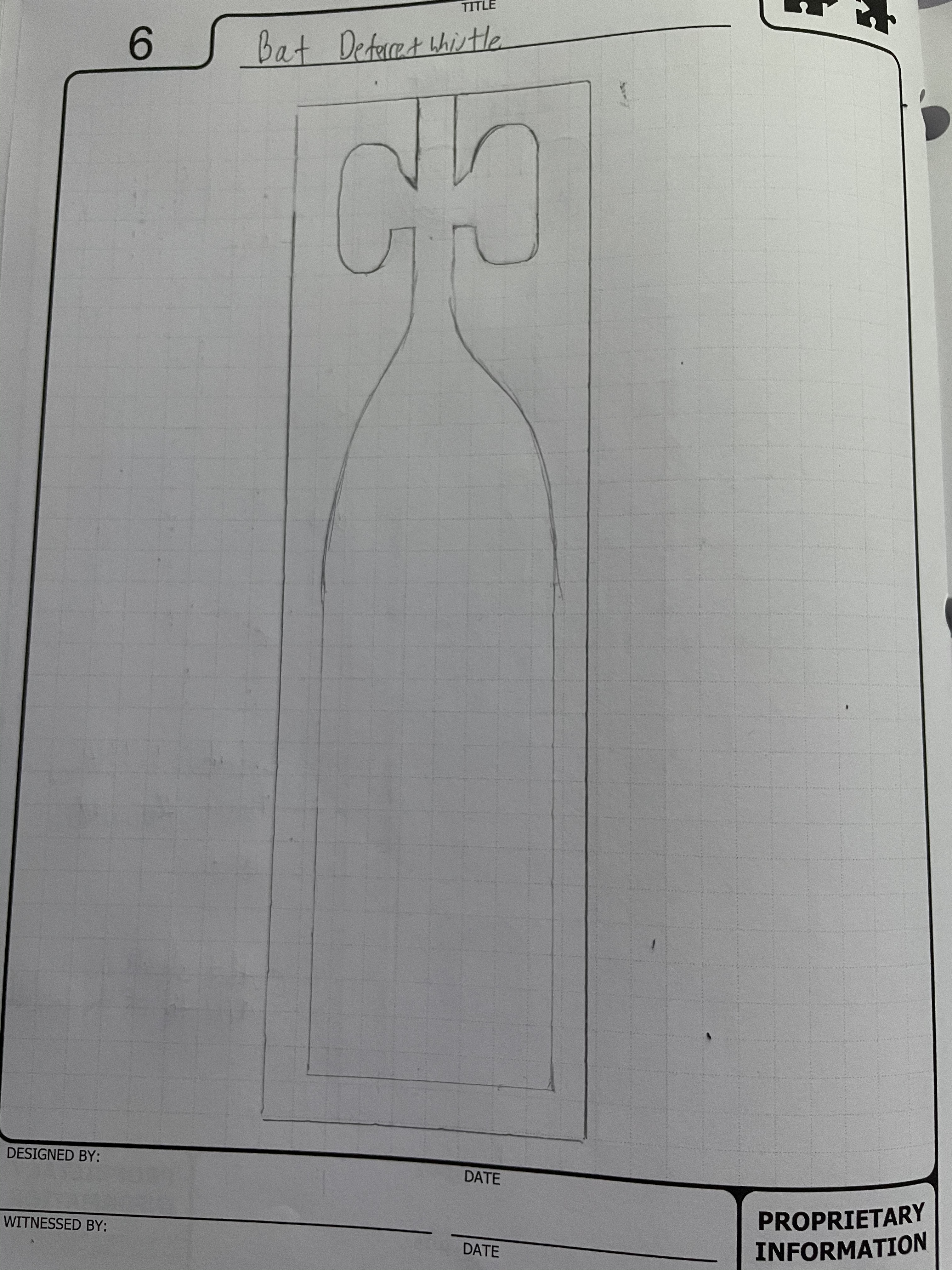
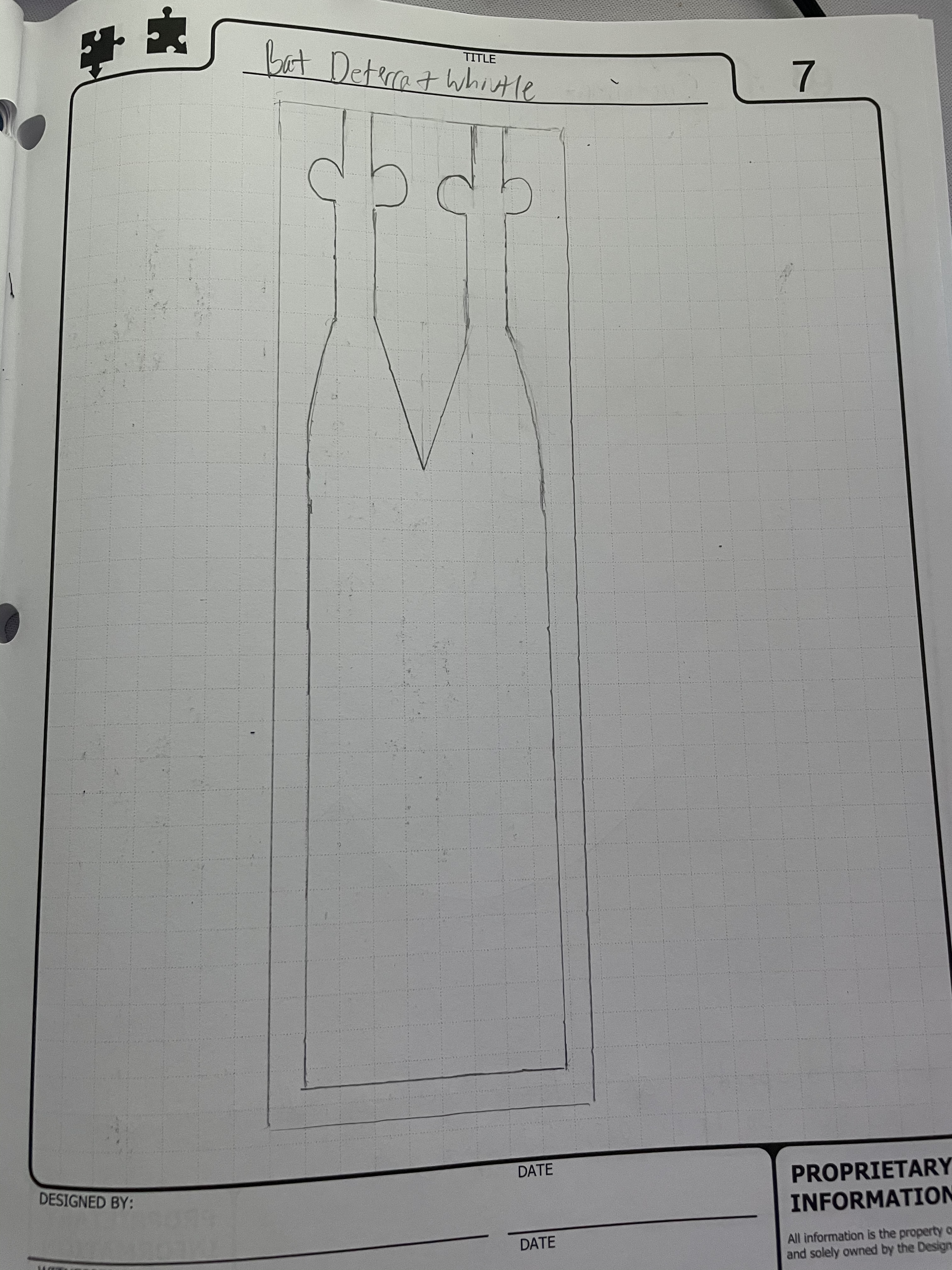
- Acoustic whistles that passively create ultrasonic sounds
- Our first whistle designs would follow the ideas and overall shape of a Beeken generator
- In the near future we hope to have access to technology that would allow us to create whistles that mimic the clicks and sounds of the Bertholdia trigona moth
Failsafe Wind Turbine Jamming
- Last resort for wind turbine. Utilizes an ultrasonic sensor to detect incoming bats. If the bat comes within x amount of space the wind turbine will immediately rotate 90 degrees, similar to curtailment, but will also temporarily jam the rotors and either lesson the impact of a bats collision or totally prevent a collision from occurring.
Construct and test a prototype:
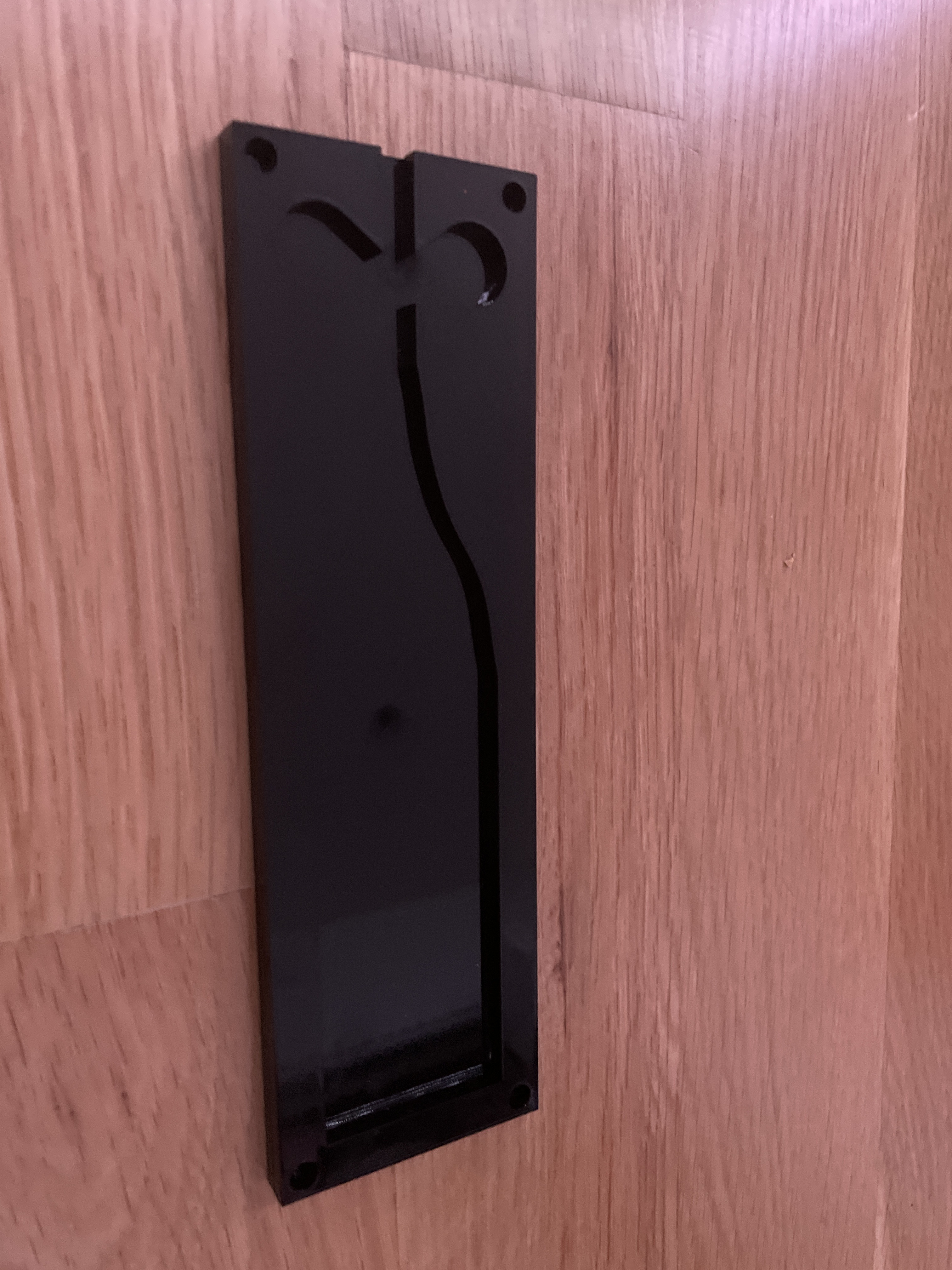
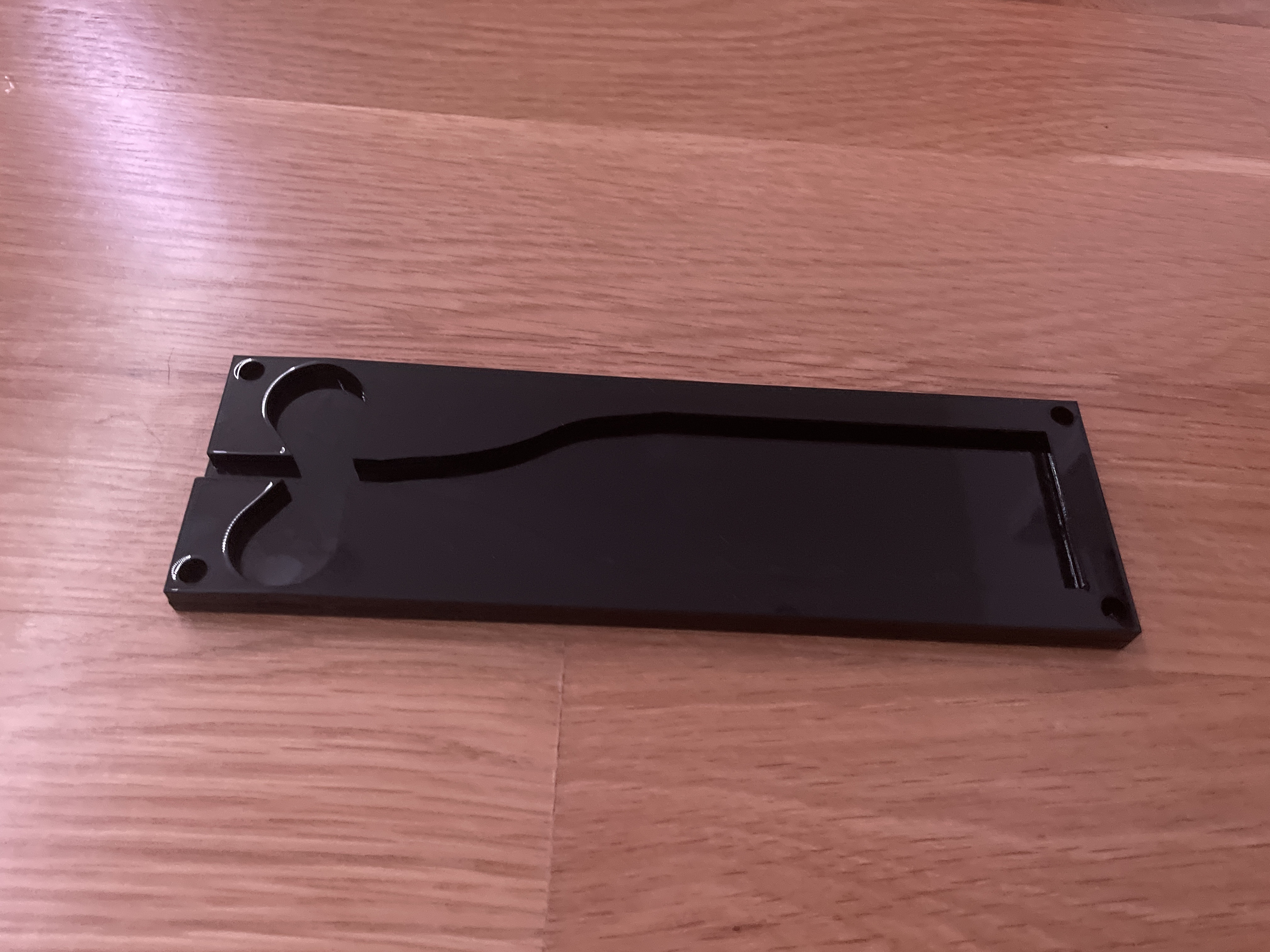
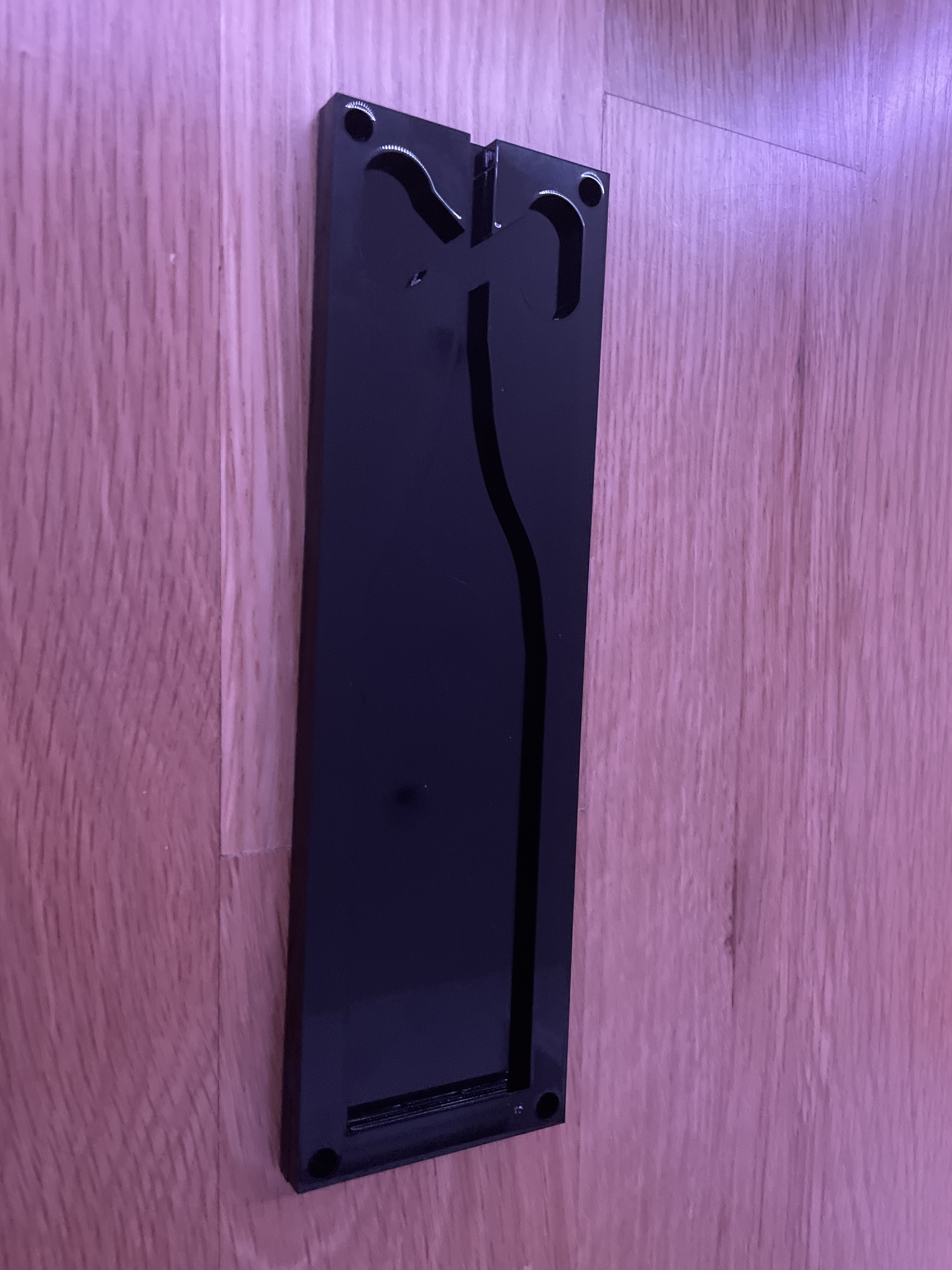
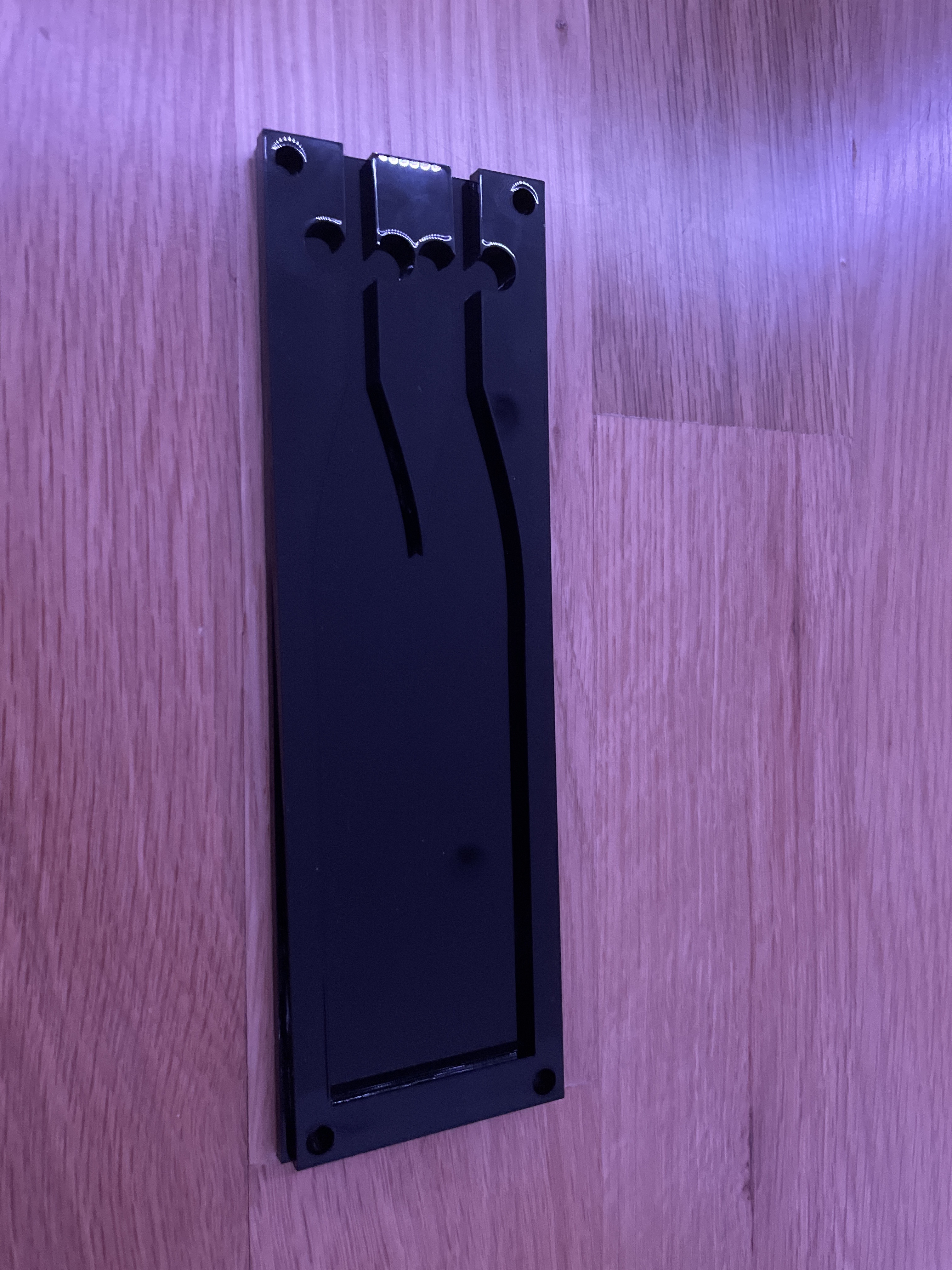
The first thing we began to design was the whistles. Attached below are 4 different derivatives of possible whistle designs. These designs are not entirely our own, as we based it off of Basil B. Beekens Fluid Ultrasonic Generator. As I mentioned earlier, these whistles are not our goal and we hope to create ones that mimic the clicks of the B. trigona moth.
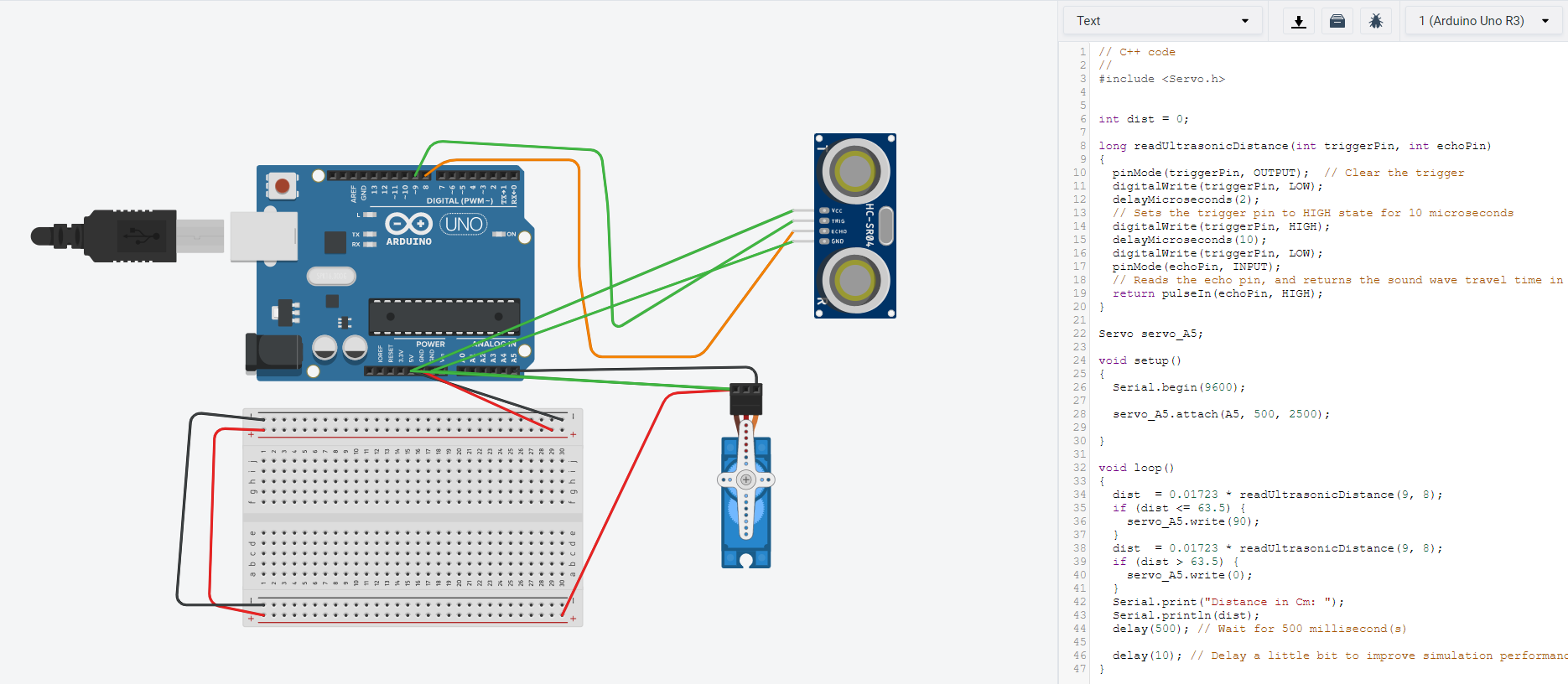
The next step in the process was to start building and coding the circuitry that would be needed in the prototype. We used Tinkercad to create a working model of the failsafe model, excluding the jamming of the rotors.
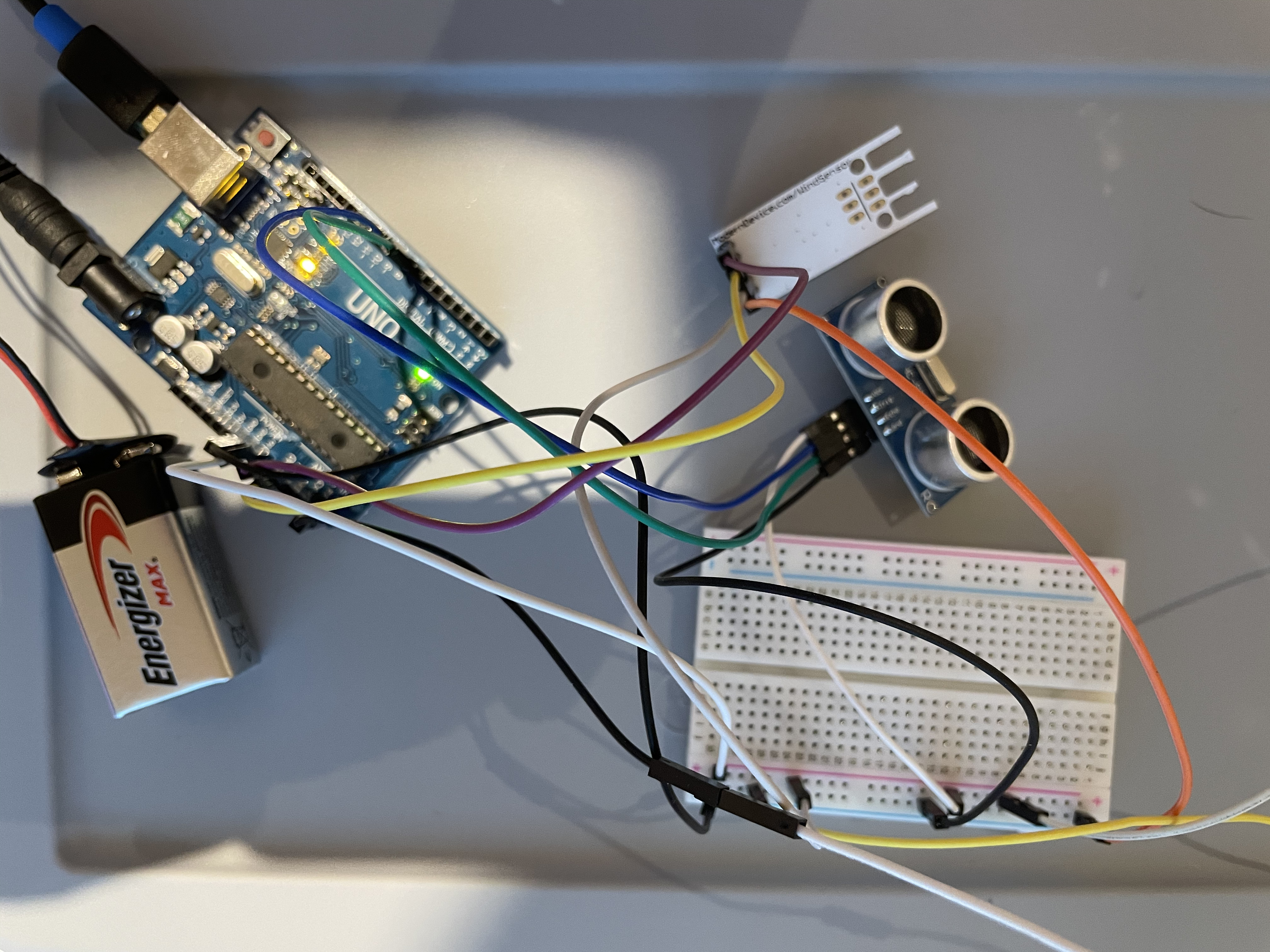
The next step was to actually construct the circuitry.
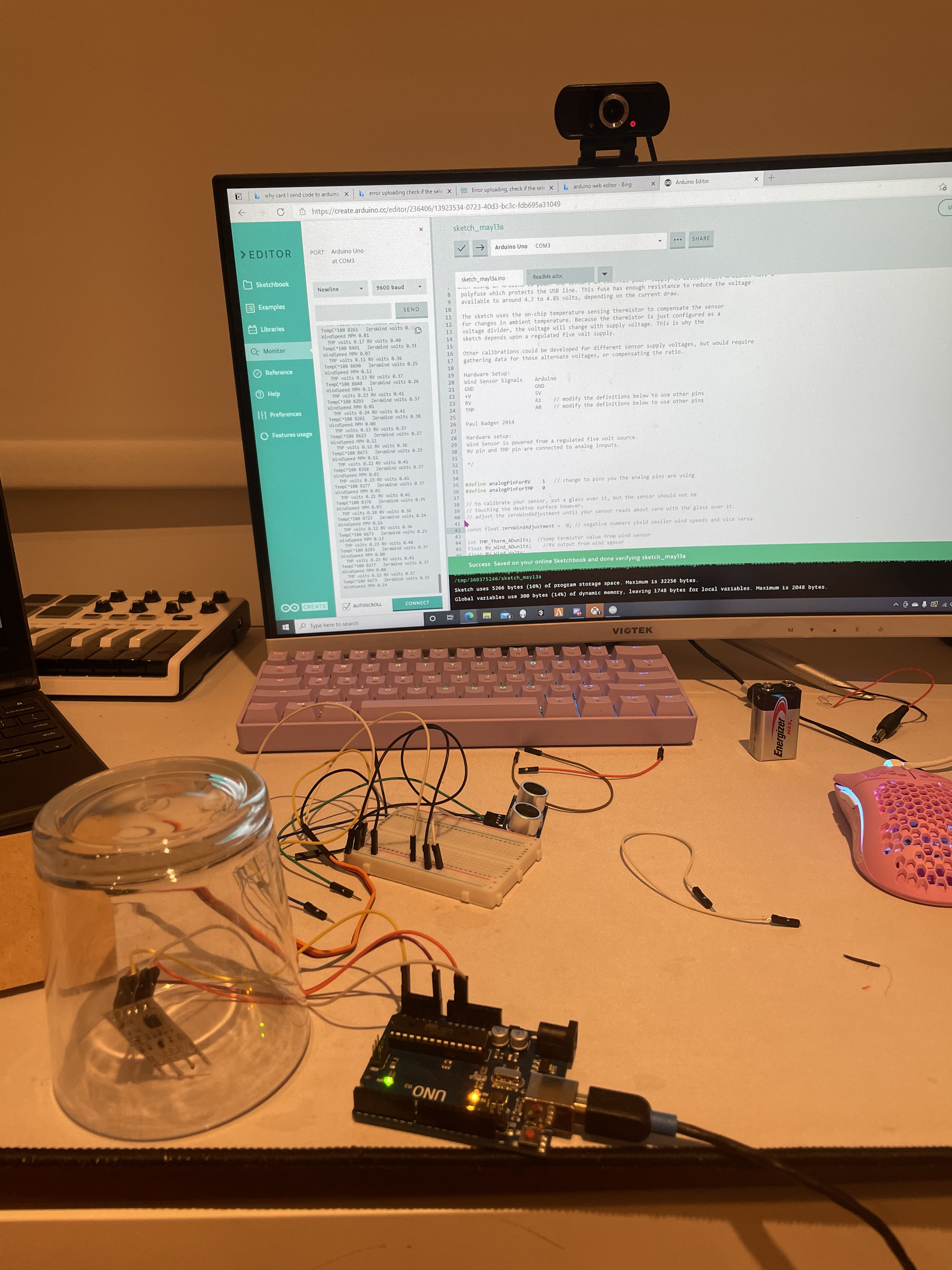
Here is an image of all the code we used.
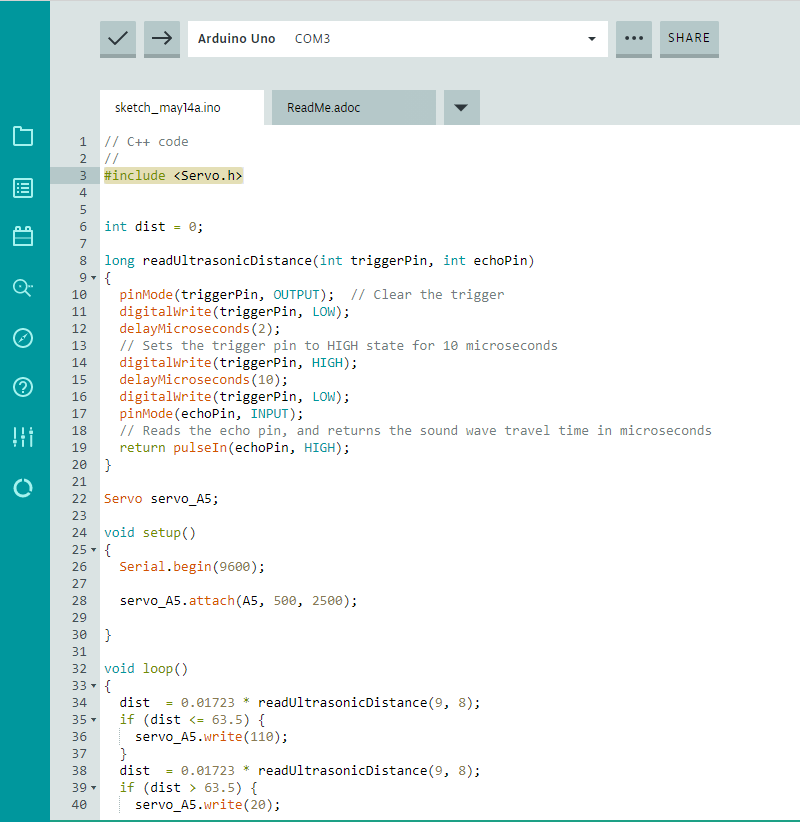
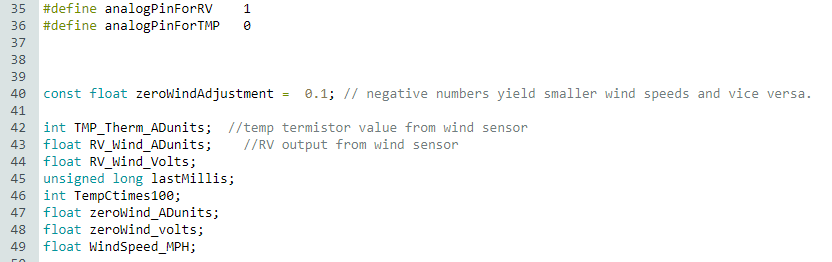
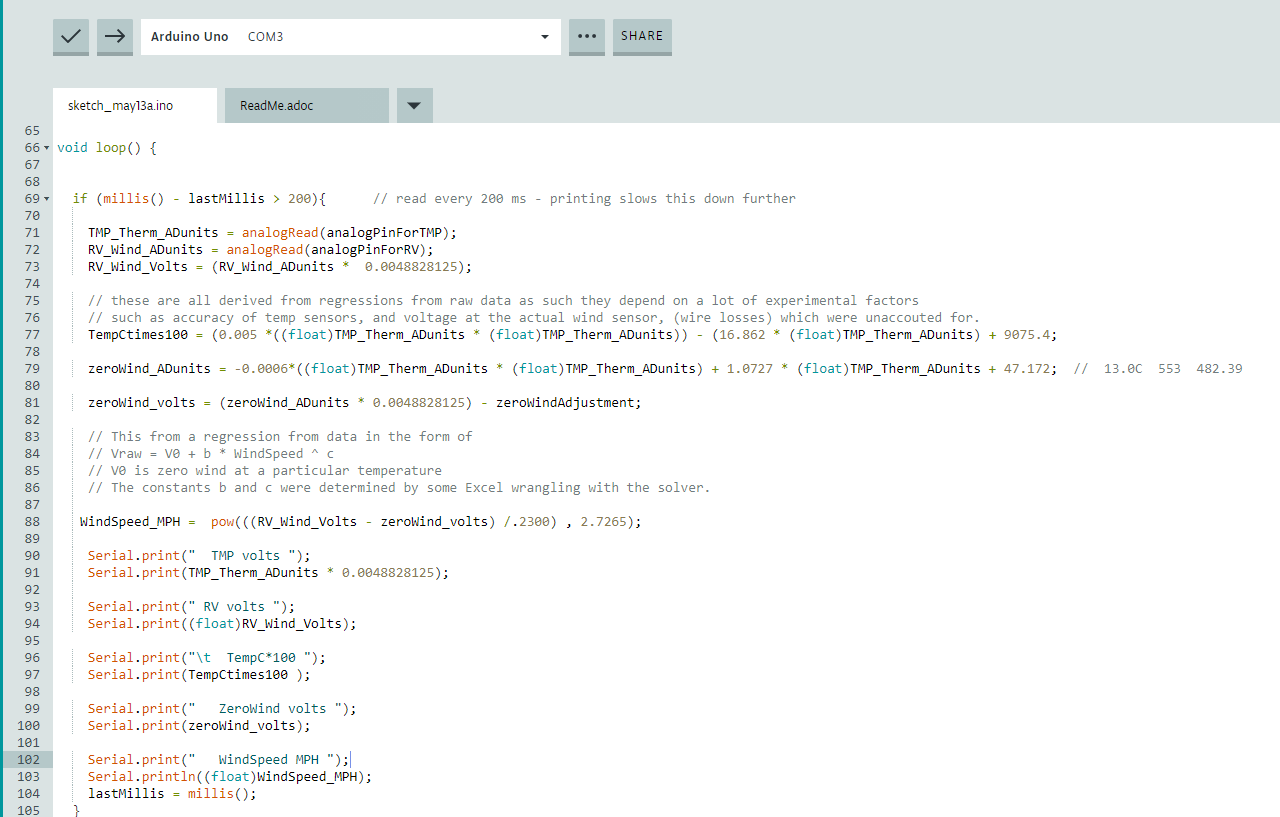
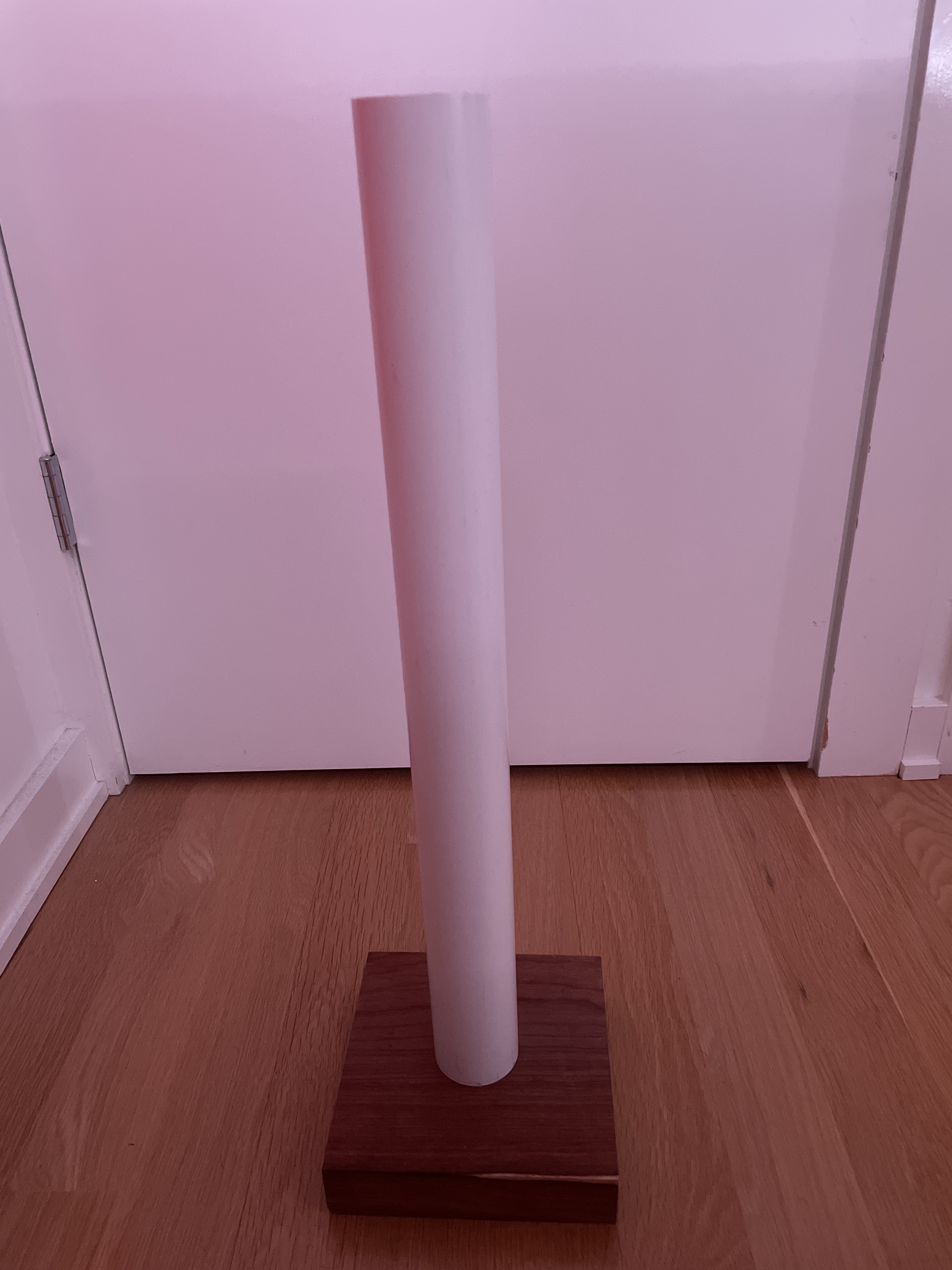
Next we constructed the wind turbine base and shaft.
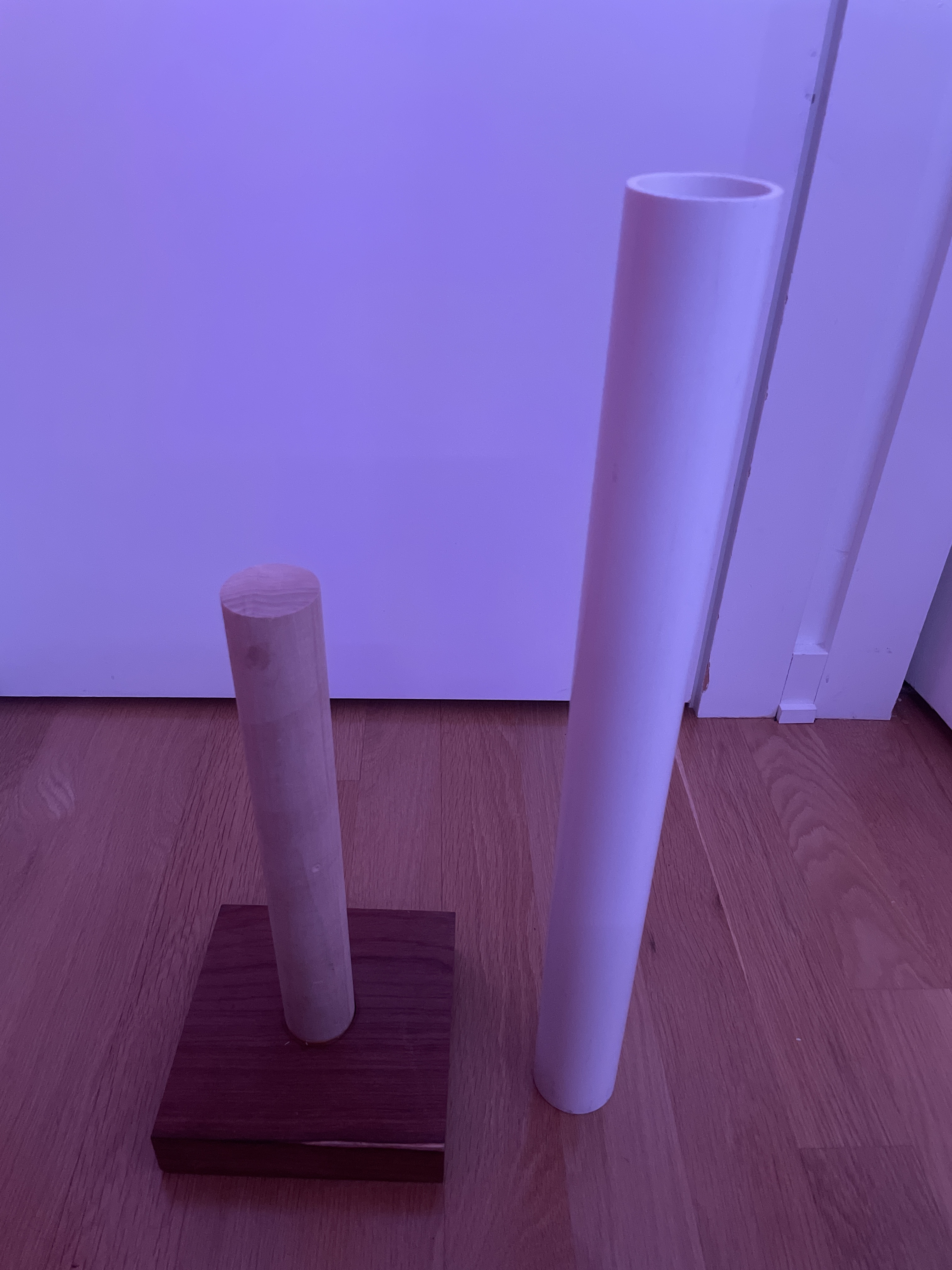
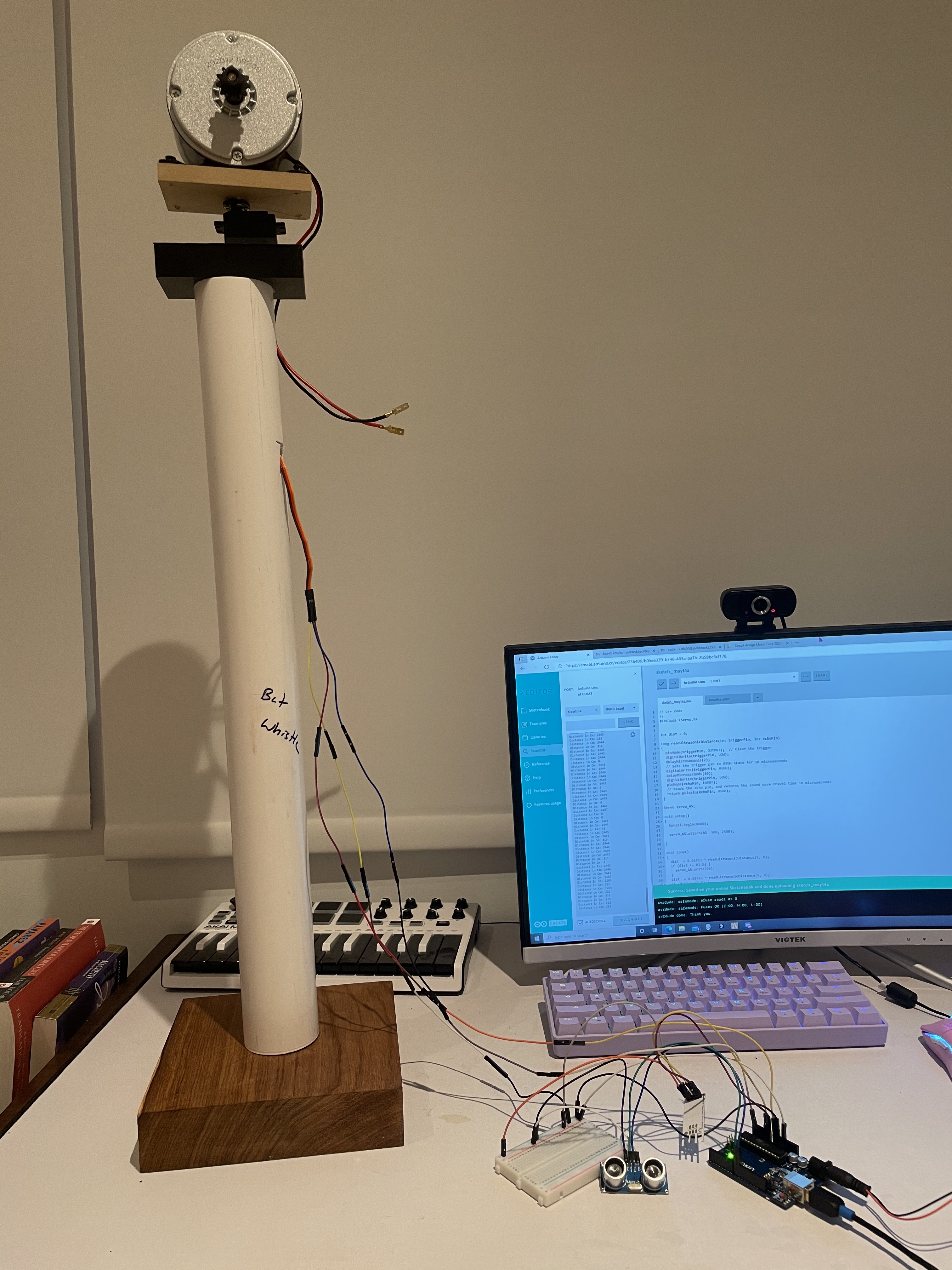
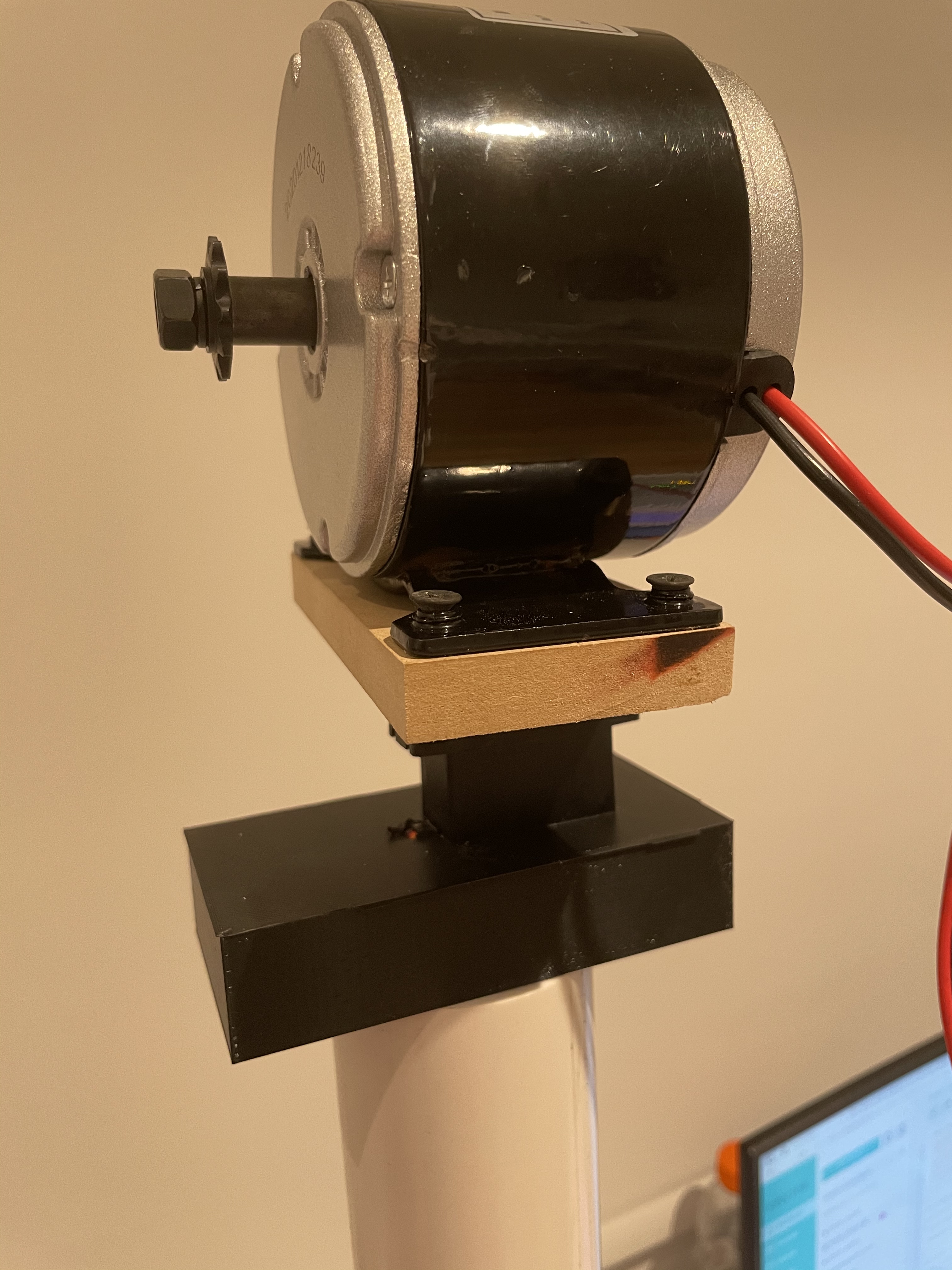
Lastly here is our final product. With only 2 weeks given to construct our solution this is what we were able to accomplish. Although there are no rotors, this is a model that incorporates all of the bat collision preventative techniques except for fail safe emergency jamming.
This original construction video is no longer available on YouTube.
Evaluate solution:
With the given time parameters I felt as if this solution was pretty successful.
Some pros:
- Works to an extent
- Good learning experience
- Lots of room to improve upon
- We completed a lot in a short amount of time
Cons:
- No whistle actually implemented into rotors of wind turbine
- Instead of just rotating the hub holding the servo and generator, at the top of shaft, we should have made it so that the entire shaft rotated. it would be less flimsy and look better
- It has no rotors
- The anemometer is only effective in detecting wind speeds lower than 60 mph. The use of a more advanced one would very drastically improve results and efficiency.
- The generator used is very heavy and not very efficient
- The ultrasonic distance sensor used is not practical for detecting objects coming in from longer distances and high speeds